
Movies
Amazon’s Major James Bond Update Ignites Global Speculation About the Future of 007 and the Search for the Next Iconic Spy
May
1. Amazon Signals a New Era for the James Bond Franchise
Few entertainment franchises in cinematic history carry the same cultural weight, global recognition, and generational influence as James Bond. For more than six decades, the legendary British spy has represented sophistication, danger, charisma, espionage, and blockbuster filmmaking at the highest level. Now, with Amazon sharing a major update regarding the search for the next James Bond, worldwide fascination surrounding the future of the franchise has intensified once again.
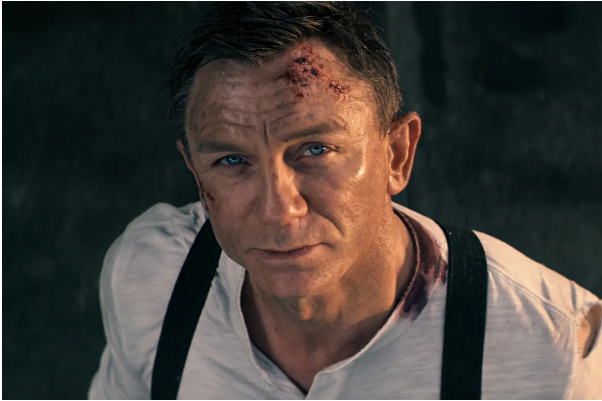
The announcement immediately triggered enormous discussion across entertainment media because the future of Bond feels especially uncertain—and exciting—following the conclusion of Daniel Craig’s era as 007. Craig’s final appearance in No Time to Die marked the end of one of the most emotionally complex and commercially successful periods in franchise history. His version of Bond transformed the character from a polished fantasy icon into a psychologically wounded and emotionally vulnerable human being.
As a result, expectations for the next actor stepping into the tuxedo are extraordinarily high. Every casting rumor now generates global headlines because audiences understand that selecting a new Bond is not merely another Hollywood casting decision. It represents a cultural moment capable of shaping blockbuster cinema for the next decade or more.
Amazon’s growing involvement in the Bond franchise also carries major symbolic importance. Following the company’s acquisition of MGM, questions immediately emerged regarding how the streaming giant might influence the future of one of cinema’s most carefully protected and prestigious intellectual properties.
For decades, the Bond franchise remained unusually controlled compared with other major Hollywood series. The stewardship of producers Barbara Broccoli and Michael G. Wilson emphasized careful long-term planning, selective casting, and cinematic exclusivity. Bond films were treated as major cultural events rather than rapidly produced content.
Amazon’s update therefore sparked broader debate about whether the franchise might evolve dramatically in the streaming era. Some fans feel excited by possibilities involving expanded storytelling, spin-offs, or fresh creative directions. Others worry that corporate expansion could dilute the prestige and cinematic identity that long distinguished Bond from other blockbuster franchises.
At the center of all this attention remains one critical question: who will become the next James Bond?
The search itself has become almost mythical within entertainment culture. Speculation surrounding actors, age ranges, nationalities, acting styles, and franchise direction now dominates online conversation whenever Bond news emerges.
Names ranging from established movie stars to rising British actors continue circulating constantly. Fans analyze interviews, physical appearances, accents, screen presence, and even fashion choices for clues about who might inherit one of cinema’s most iconic roles.
Ultimately, Amazon’s update reignited not only excitement about Bond’s future but also larger conversations about legacy, modern masculinity, blockbuster filmmaking, and how legendary franchises survive changing cultural eras.
2. Why Replacing Daniel Craig Is One of Hollywood’s Hardest Challenges
One of the biggest reasons anticipation surrounding the next James Bond casting decision feels so intense is because Daniel Craig fundamentally transformed audience expectations for the character. His portrayal reshaped Bond emotionally, physically, and psychologically in ways that permanently altered the franchise.
When Craig was first announced as Bond in the mid-2000s, reactions were deeply divided. Some critics questioned whether he possessed the traditional elegance associated with earlier versions of the spy. Compared with actors like Pierce Brosnan or Roger Moore, Craig appeared rougher, more physically intimidating, and emotionally guarded.
However, his debut in Casino Royale quickly silenced skepticism. Craig introduced a Bond defined by vulnerability, emotional trauma, brutality, and psychological realism. This version of 007 bled, suffered, failed, and emotionally struggled in ways previous portrayals rarely emphasized.
That emotional complexity helped modernize the franchise during a period when audiences increasingly demanded realism and character depth from blockbuster protagonists. Inspired partly by the success of darker action franchises like The Bourne Identity, Craig’s Bond felt less like fantasy escapism and more like a damaged intelligence operative surviving constant violence and emotional isolation.
Another major difference involved physicality. Craig’s Bond fought with raw aggression and exhaustion rather than effortless coolness alone. Action scenes became visceral, brutal, and emotionally intense.
At the same time, Craig preserved essential Bond qualities including intelligence, confidence, dry humor, and sophistication. His success came from balancing emotional realism with classic franchise identity.
The emotional ending of No Time to Die further complicated the search for a replacement because it gave Bond unprecedented narrative closure. Audiences became deeply attached to Craig’s interpretation as a complete emotional character arc rather than simply episodic adventure hero.
The next actor therefore faces extraordinary pressure. Fans expect someone capable of honoring franchise history while also bringing fresh emotional and stylistic energy to the role.
Another challenge involves changing cultural attitudes toward masculinity and heroism. Earlier Bond portrayals reflected different social norms regarding gender, power, relationships, and emotional expression. Modern audiences often expect greater psychological nuance and moral complexity.
The franchise must therefore evolve carefully without losing the timeless qualities that make Bond globally recognizable.
Ultimately, replacing Daniel Craig is difficult because he successfully redefined Bond for an entire generation while preserving the character’s mythic cinematic appeal.
3. Amazon’s Influence Could Reshape the Future of Bond Storytelling
The growing role of Amazon within the James Bond universe represents one of the most fascinating developments in modern entertainment. As streaming companies increasingly dominate global media, the future of major cinematic franchises has become deeply connected to corporate transformation and evolving audience habits.
For decades, Bond occupied a unique position within Hollywood. Unlike many blockbuster properties driven by aggressive franchise expansion, Bond films remained relatively selective and event-focused. New entries arrived every few years rather than continuously flooding the market.
This scarcity helped preserve the franchise’s prestige. Bond movies felt like global cinematic occasions rather than disposable content releases.
Amazon’s acquisition of MGM therefore immediately raised questions about whether this philosophy might change. Streaming platforms often prioritize large-scale content ecosystems designed to maximize audience engagement across multiple series, spin-offs, and interconnected narratives.
Some fans worry that Bond could become overextended through excessive expansion. The fear is not simply about quantity but about preserving artistic identity. Bond historically maintained consistency partly because producers resisted chasing short-term trends aggressively.
At the same time, Amazon possesses enormous financial resources and global distribution capabilities capable of expanding the franchise creatively and internationally.
The company could potentially support ambitious production budgets, attract major filmmakers, and introduce Bond to younger streaming-era audiences unfamiliar with the franchise’s theatrical traditions.
Another fascinating possibility involves expanded storytelling beyond mainline films. While Bond traditionally focused exclusively on theatrical movies, streaming culture encourages broader universe-building through limited series, supporting character projects, or historical explorations of fictional worlds.
However, Bond differs from franchises like the Marvel Cinematic Universe because its appeal relies heavily on mystique and restraint. Oversaturation could weaken the character’s cultural impact significantly.
The balance between modernization and preservation therefore becomes critically important. Amazon must navigate evolving entertainment economics while respecting the emotional and cinematic traditions fans associate with Bond.
Another important factor involves theatrical experience itself. Bond films historically thrived on large-screen spectacle, international locations, practical stunts, musical themes, and glamorous visual scale.
Fans therefore remain deeply invested in ensuring Bond continues functioning primarily as cinematic event storytelling rather than becoming fully absorbed into streaming culture.
Ultimately, Amazon’s involvement represents both opportunity and risk. The company now holds partial responsibility for protecting one of cinema’s most enduring and culturally significant franchises during a rapidly changing media era.
4. The Global Fascination With Choosing the Next James Bond
Few casting decisions in entertainment history generate as much worldwide speculation as selecting the next actor to portray James Bond’s iconic spy. Every rumor, interview, or industry report immediately sparks intense debate because Bond represents far more than an ordinary film role.
Over the decades, actors including Sean Connery, Roger Moore, Timothy Dalton, Pierce Brosnan, and Daniel Craig each defined different eras of Bond storytelling. Every actor brought unique emotional tone, physical style, and cultural interpretation to the role.
As a result, audiences now debate not only who should become Bond but what kind of Bond the modern world needs.
Some fans prefer a return to smoother sophistication and classic espionage glamour after Craig’s emotionally intense era. Others want continued realism, darker storytelling, and psychological complexity.
The age of the next Bond also remains a major topic. Producers traditionally prefer actors capable of sustaining the role across multiple films over many years. This requirement narrows the field significantly while increasing attention on rising British talent.
Physical presence matters enormously as well. Bond must project intelligence, confidence, danger, charisma, and emotional mystery simultaneously. Few actors naturally combine all those qualities convincingly.
Another reason the casting process feels culturally significant is because Bond reflects changing social ideals surrounding masculinity and heroism. Each era’s Bond reveals broader cultural attitudes about power, emotional expression, violence, romance, and national identity.
Modern audiences also expect greater diversity and emotional sophistication from blockbuster protagonists. This creates ongoing debate regarding whether Bond should evolve substantially or preserve more traditional characteristics.
Interestingly, secrecy itself contributes to fascination surrounding the process. Bond producers historically reveal casting decisions carefully and strategically, allowing speculation to build for months or years.
This mystery strengthens Bond’s mythological status within entertainment culture. The role feels earned rather than casually assigned.
Social media has intensified this phenomenon dramatically. Fans now analyze interviews, red carpet appearances, workout routines, accents, and public behavior searching for signs of potential Bond suitability.
Ultimately, global fascination with the next James Bond reflects the extraordinary cultural power of the character himself. Bond remains one of the few fictional figures capable of generating worldwide emotional investment across generations simultaneously.
5. Why the Future of James Bond Matters Beyond Entertainment
At its deepest level, the excitement surrounding Amazon’s Bond update reflects something larger than ordinary movie anticipation. The future of James Bond matters culturally because Bond occupies a unique symbolic position within global entertainment history.
For more than sixty years, Bond films reflected evolving anxieties surrounding politics, technology, masculinity, international conflict, luxury, and power. Each era’s version of 007 mirrored broader social attitudes and cultural fantasies.
The franchise survived dramatic historical transitions including the Cold War, globalization, digital surveillance, terrorism, and changing gender politics. Few cinematic properties adapt across generations so successfully while retaining recognizable identity.
That adaptability explains why audiences remain emotionally invested in Bond’s future. The character functions simultaneously as nostalgic tradition and evolving modern myth.
Another reason Bond remains important involves cinematic craftsmanship. The franchise historically emphasized practical stunt work, international location photography, orchestral music, elegant costume design, and theatrical spectacle.
In an era increasingly dominated by digital effects and streaming content, Bond still represents classic blockbuster filmmaking rooted in large-scale cinematic experience.
The emotional attachment audiences feel toward Bond also reflects continuity itself. Generations of families watched Bond films together across decades, creating shared cultural memory uncommon within fragmented modern media culture.
Amazon’s stewardship therefore carries symbolic responsibility beyond financial success alone. The company now influences the future of one of cinema’s most internationally beloved institutions.
The search for the next Bond similarly represents broader cultural transition. Whoever inherits the role will help define blockbuster masculinity and espionage storytelling for years to come.
Importantly, Bond’s future success likely depends on balancing innovation with preservation. Audiences want evolution without losing the sophistication, danger, mystery, and cinematic grandeur that distinguish Bond from countless imitators.
Ultimately, the global reaction to Amazon’s Bond update demonstrates that James Bond remains far more than a fictional spy.
He represents cinematic history, cultural identity, generational memory, and the enduring human fascination with charisma, danger, intelligence, and adventure.
As the search for the next 007 continues, the world is not merely waiting for casting news—it is waiting to discover what the future of blockbuster mythology itself might look like.
From: Candourroyaltees

